
Marco Island Condo HOA Fees: 2026 Buyer’s Guide
Marco Island condo HOA fees commonly run from about $700 to more than $2,000 a month. Location, building age, and amenities drive most of that spread. Since Hurricane Ian struck Southwest Florida on September 28, 2022, insurance costs and Florida’s newer reserve laws have pushed many island budgets higher, from Hideaway Beach to South Collier Boulevard.
Key Takeaways
- Monthly dues on Marco Island are commonly quoted between $700 and $2,000+, and Gulf-front towers usually sit at the high end.
- Florida law now requires condo buildings three stories or taller to complete a Structural Integrity Reserve Study (SIRS) every 10 years.
- For budgets adopted on or after December 31, 2024, associations can no longer waive or reduce reserves for SIRS components.
- The cheapest dues are not always the best value. Underfunded reserves often turn into special assessments later.
- Hideaway Beach owners may carry layered costs, so review every association and district that bills the unit.
Market data current as of October 2026. Fees and budgets change every year, so confirm current figures with each association before you write an offer.
How Much Are Marco Island Condo HOA Fees on Average?
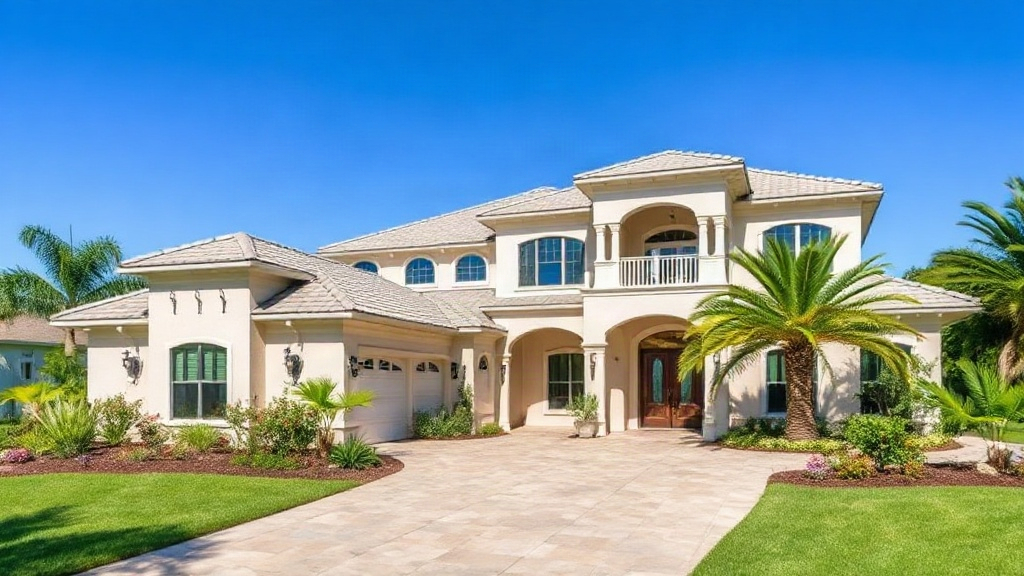

Most guides quote a range of roughly $700 to more than $2,000 per month for Marco Island condos. There is no single true average. A 1980s garden-style building near the Marco Town Center sits in a very different cost bracket than a full-service Gulf-front tower with a staffed lobby and a heated beach pool.
The rise is regional, not just an island story. Gulfshore Business reported in January 2026 that Southwest Florida has seen a significant rise in HOA fees. Nationally, The Independent reported that nearly half of homes on the market carry an HOA cost.
Market Snapshot
Gulfshore Business reported in January 2026 that HOA fees across Southwest Florida have risen significantly, which is why Marco Island condo HOA fees 2026 budgets deserve a line-by-line review.
Marco Island condo HOA fees vary because each building is its own small business. Insurance, reserves, staffing, and elevators make up the bulk of most budgets. The best way to compare two condos is to read both budgets side by side, not to compare the monthly number alone.
Marco Island condo HOA fees typically range from about $700 to over $2,000 per month, depending on Gulf exposure, building height, and amenities. Southwest Florida dues have climbed since 2022, as Gulfshore Business reported in January 2026. Buyers should compare full association budgets, not just the monthly figure, to judge true value.
Is a Marco Island Condo Right for Your Lifestyle?
A Marco Island single-family owner pays separately for wind insurance, flood insurance, roof replacement, pool service, landscaping, and seawall upkeep. A condo owner shares most of those costs through one monthly payment. That trade is the heart of condo living here.
Condo life fits beautifully if you want to lock the door and fly north for the summer. It also suits buyers who want beach access without owning Gulf-front land. If you love projects and total control, a home on one of the island’s canals may feel better.
- Snowbirds: Building staff and shared maintenance cover the months you are away.
- Retirees downsizing: Elevators, pools, and fitness rooms come with the address.
- Second-home buyers: Rental rules may let you offset costs, depending on the building.
- Beach lovers: Gulf-front towers put the sand steps from your lanai.
Before comparing dues, total what a similar single-family home would cost you yearly. Add insurance, maintenance, pool, lawn, and a reserve for the roof. Many buyers find the condo math is closer than they expected.
What Do Marco Island Condo HOA Fees Cover?
Under Florida Statute 718, the association insures the building’s structure and common elements, and that master policy is often the largest single line in a Marco Island budget. Owners then carry their own HO-6 policy for the inside of the unit. Knowing where one ends and the other begins protects you.
Most Marco Island condo dues include a common set of services. Exact inclusions vary by building, so check the budget and declaration.
- Master property, wind, and flood insurance on the building
- Exterior maintenance, roof, and painting
- Pool, spa, fitness center, and grounds care
- Water, sewer, and trash in many buildings
- Elevator service, security, and front desk staff in larger towers
- Reserve contributions for future repairs
- Cable and internet bundles in some associations
| Coverage Area | Master Policy (Association) | HO-6 Policy (Owner) |
|---|---|---|
| Roof, walls, structure | Yes | No |
| Lobby, pool, hallways | Yes | No |
| Cabinets, flooring, fixtures | Depends on declaration | Usually yes |
| Furniture and belongings | No | Yes |
| Your share of the master deductible | No | Loss assessment coverage, if added |
That last row matters most on a barrier island. Ask your insurance agent about loss assessment coverage on your HO-6. It can help if the association passes a storm deductible on to owners.
Why Florida SIRS and Reserve Laws Are Impacting Marco Island Dues
After the Surfside collapse on June 24, 2021, Florida passed a 2022 condo safety law requiring buildings three stories or taller to complete a Structural Integrity Reserve Study every 10 years. Milestone inspections are also required once a building reaches 30 years. Many Marco Island towers were built decades ago, so these rules hit the island directly.
A SIRS reviews the roof, structure, fireproofing, plumbing, electrical systems, waterproofing, and windows. The association must then fund reserves for those items. For budgets adopted on or after December 31, 2024, owners can no longer vote to waive those SIRS reserves.
In 2025, the legislature passed HB 913, which refined parts of the law. It adjusted certain deadlines and gave associations more funding options. Ask the association’s manager how it applies to the specific building you love.
Florida’s condo safety laws require buildings three stories or taller to complete a Structural Integrity Reserve Study every 10 years and fully fund reserves for structural components. Many older Marco Island towers raised dues or levied assessments to comply. Buyers benefit long term, since fully funded buildings face fewer surprise bills.
HOA Fee Breakdown: Beachfront Towers vs. Inland and Canal Condos
Gulf-front high-rises sit at the top of the $700 to $2,000+ range because they carry the heaviest wind and flood insurance exposure. Inland garden buildings usually sit lower. Canal-front mid-rises often land in between, depending on age and amenities.
| Building Type | Typical Fee Position | Main Cost Drivers |
|---|---|---|
| Gulf-front high-rise | Highest | Wind and flood insurance, elevators, staff, SIRS reserves |
| Canal-front mid-rise | Middle | Seawalls, docks, insurance, elevators |
| Inland garden-style | Lowest | Roofs, grounds, pool; often below SIRS height |
| Hideaway Beach condos | Varies; often layered | Condo dues plus community and club costs |
Gulf-Front Towers
Well-known names like Cape Marco, Apollo, Tradewinds, and Somerset line the island’s Gulf side. Each sets its own budget and reserve plan. Request the current budget and the most recent SIRS for any tower on your list, then compare them carefully.
Canal-Front Mid-Rise Buildings
Many canal buildings offer boat slips with water access toward the Gulf. Dock and seawall upkeep shows up in the budget. Ask whether slips are deeded, assigned, or leased, because each carries different costs.
Inland Garden-Style Condos
Buyers who search “buy Marco Island condo low HOA fees” usually land here. Two-story buildings may fall outside SIRS requirements entirely. You still want healthy reserves, since roofs and paving never stop aging.
Edis’s Take
“On Marco Island, I always tell my buyers that the monthly fee is the headline, but the reserve schedule is the real story. A Gulf-front tower with higher dues and a fully funded SIRS can be the smarter purchase than a cheaper building that has been putting off its roof. My years as a loan originator taught me that lenders read those reserves too, so a healthy budget protects your financing as well as your peace of mind.”
Edis Arevalo, Managing Broker · 17 years SWFL real estate
What Are Hideaway Beach Condo HOA Fees Like?
Hideaway Beach is a private, gated community on the north end of Marco Island, and condo owners there can pay more than one layer of cost. A unit may carry its own condo association dues plus community-level charges. Club costs and beach-related funding can also apply.
Questions about Hideaway Beach condo HOA fees Marco Island buyers bring me usually come down to one thing: the true all-in number. The community has relied on a special taxing district to help fund beach renourishment over the years. Confirm how that shows up on the property tax bill.
- Ask for the condo association budget and the community association budget.
- Ask whether club membership is required and what initiation and annual dues cost.
- Check the Collier County tax bill for district assessments.
- Request any planned beach or erosion project costs.
That layered structure is part of what keeps the community private and polished. It simply needs to be in your budget from day one. Add every layer before you compare it with other Collier County condo HOA fees.
How Do Marco Island Condo Special Assessments Work After Storms?
Marco Island felt Hurricane Ian in 2022, and Helene and Milton brought more storm surge to the coast in 2024. Florida condo master policies usually carry a separate hurricane deductible, often set as a percentage of the building’s insured value. When an association lacks cash to cover it, owners may see a special assessment.
Marco Island condo special assessments can also come from roof replacements, concrete restoration, or SIRS shortfalls. None of this is unusual for coastal buildings. What matters is how the board plans for it.
Important: Before you offer, ask the association in writing whether any special assessment has been approved, proposed, or discussed at a recent board meeting.
Ask how the building handled its most recent storm claim. Did it pay the deductible from reserves, a loan, or an assessment? The answer tells you a lot about the board’s planning.
Marco Island condo special assessments typically follow storm deductibles, major repairs, or reserve shortfalls identified in a SIRS. Florida master policies often carry percentage-based hurricane deductibles that associations may pass to owners. Buyers should request written disclosure of approved or proposed assessments and review how the building funded its most recent storm repairs.
What to Check in the HOA Docs: Rentals, Pets, and Rules
Florida resale condo buyers receive governing documents including the declaration, bylaws, rules, budget, and financial report. These pages decide how you can actually live in the unit. Read them with your lifestyle in mind.
- Rental restrictions: Minimum lease terms, rentals allowed per year, and any waiting period after purchase.
- Pet policies: Number, size, and weight limits, plus rules for common areas.
- Approval process: Board interviews or application fees for buyers and tenants.
- Renovation rules: Approved flooring, sound barriers, and contractor hours.
- Parking and storage: Assigned spaces, guest parking, and bike or kayak storage.
Rental rules matter for both lifestyle and lending. Some lenders review how many units are investor-owned. A building with tight rules may be quieter, while a flexible one may suit seasonal income.
Red Flags to Watch for in Marco Island Condo Association Financials
Since December 31, 2024, Florida associations cannot waive reserves for SIRS items, so a budget showing little or no structural reserve funding deserves questions. Low dues can look attractive at first. Sometimes they simply delay costs the owners will pay later.
“On Marco Island, the condo with the lowest dues is not always the bargain. A fully funded reserve is often the best insurance a buyer can have.”
- Reserve balances far below what the SIRS recommends
- Large past-due owner balances
- Pending lawsuits involving the association
- A master insurance policy that lapsed or changed carriers often
- Board minutes mentioning concrete, roof, or balcony repairs with no funding plan
- No completed SIRS or milestone inspection for a qualifying building
One red flag is not always a dealbreaker. It just means more questions. A strong agent and a good condo attorney can help you weigh it.
Your Pre-Offer Due Diligence Checklist
- Request the current annual budget and last year’s financial statements.
- Get the latest SIRS and milestone inspection report, if required.
- Compare the reserve balance against the SIRS funding schedule.
- Read 12 months of board meeting minutes.
- Ask for the master insurance declarations page and hurricane deductible.
- Order the estoppel certificate, which confirms dues, balances, and assessments owed.
- Confirm rental, pet, and approval rules fit your plans.
How Do Condo Rules Affect Financing on Marco Island?
Fannie Mae and Freddie Mac generally look for associations that budget at least 10% of income toward reserves, and they review buildings with critical repair needs closely. That makes association health a financing issue. Strong buildings are easier to finance.
FHA and VA loans also require the condo project to be on an approved list. Jumbo and portfolio lenders can sometimes finance buildings that conventional loans cannot. These are called non-warrantable condos, and they often need a larger down payment.
Your HOA dues count in your debt-to-income ratio, just like your mortgage. Try our mortgage calculator for SWFL condo buyers to see your full monthly payment. Then ask your lender to review the building early.
For a broader view of the island, visit our Marco Island real estate guide. Comparing barrier islands? Our Fort Myers Beach condo HOA fees guide covers similar coastal questions. When you’re ready, browse SWFL condos for sale.
Frequently Asked Questions
What are the average homeowners association (HOA) fees in Florida?
There is no single Florida average worth relying on, because fees vary widely by building type and location. Condo dues usually run higher than single-family HOA fees since they include master insurance and building reserves. On Marco Island, condo fees are commonly quoted between about $700 and more than $2,000 a month.
Coastal buildings usually pay more for wind and flood coverage than inland properties do.
Is Marco Island a wealthy area?
Marco Island is widely regarded as one of Collier County’s most upscale coastal communities. It offers Gulf-front condo towers, canal homes with boating access, and private enclaves like Hideaway Beach. Many residents are retirees, seasonal owners, and second-home buyers who value beach living and a quieter island pace.
Will condo HOA fees go down?
Broad drops in condo HOA fees are unlikely soon, since Florida’s reserve laws require full funding of structural reserves. Some buildings may stabilize once their reserves are fully funded and major repairs are finished. Insurance pricing also plays a role, so fees depend on each association’s plan and its coverage costs.
Is it smart to buy a condo in Florida now?
It can be a smart move when you choose a financially healthy building. Associations that have completed their SIRS and funded reserves offer more predictable costs. Review the budget, insurance, and minutes before offering, and work with a local agent who knows which Marco Island buildings have already done the hard work.
Do Hideaway Beach condos have extra fees?
Often, yes. Hideaway Beach condo owners may pay condo association dues plus community-level costs, possible club dues, and district assessments tied to beach renourishment on the tax bill. Request every budget and the Collier County tax bill so you can see the full monthly and yearly cost before you commit.
Ready to Talk
Work With a Local Marco Island Expert
Edis Arevalo has 17+ years in Southwest Florida real estate. Free consultation, no pressure, just straight answers about your situation.
Contact Edis, Free Consultation