
Best Time to Sell Cape Coral Homes: 2026 Seasonal Guide
Hurricane season officially ends November 30. In Cape Coral, that date quietly opens the most valuable 90-day window of the selling year. The best time to sell Cape Coral homes is during snowbird season, January through April, and the sellers who win it start preparing right now.
Key Takeaways
- Listing between January 1 and mid-February positions your home for peak showings in March and April, Cape Coral’s busiest buying months.
- Hurricane season runs June 1 to November 30, and a named storm can pause new insurance policies, which can delay closings.
- Gulf-access canal homes draw seasonal buyers who often shop in person, so winter timing matters most for waterfront sellers.
- FEMA’s 50% rule and flood insurance costs now shape buyer questions, so have your elevation certificate and permit history ready.
- Summer is a real second window for local families and year-round buyers, especially in Northwest and Northeast Cape.
Market data current as of November 2026.
What Is the Best Time to Sell Cape Coral Real Estate?
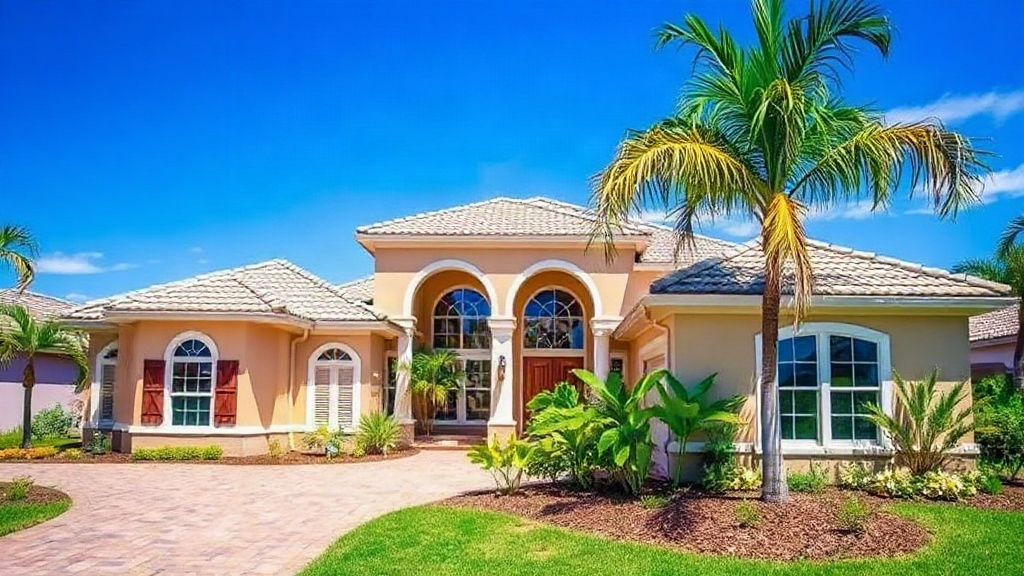

January through April is the peak home selling season Cape Coral sellers plan around. Seasonal residents arrive, open houses fill up, and out-of-state buyers can finally see the canals in person. A home listed in early January gets the full benefit of that traffic.
Timing is about more than the calendar, though. A well-prepared home listed in February will outperform a rushed one listed in January. Preparation is the part you control.
Here is how the year breaks down for most Cape Coral sellers:
- Peak window: January to April, when seasonal and relocation buyers are here.
- Shoulder window: May and early June, when serious buyers who missed winter are still shopping.
- Local window: June to August, when families shop around the school calendar.
- Slowest stretch: late August through October, during peak heat and storm activity.
For anyone weighing the best time to sell a house in Cape Coral 2026, the answer starts now. Sellers who list in the first weeks of the new year meet buyers who flew down specifically to shop. That is a motivated, ready audience.
The Snowbird Effect: How Seasonal Demand Shapes Cape Coral Real Estate
Cape Coral has more than 400 miles of canals, more than any other city in the world. That waterfront lifestyle is exactly what seasonal buyers from the Midwest and Northeast come to see. Most of them want to stand on the dock before they commit.
That is the snowbird effect in one sentence. Buyer traffic follows the thermometer up north. When January turns cold in Ohio and New Jersey, showing requests in Southwest Cape and Cape Harbour pick up quickly.
Market Snapshot
Cape Coral’s 400+ miles of canals draw winter buyers who want to tour waterfront homes in person, which is why January through April brings the city’s heaviest showing traffic.
Who Is Buying, and When
Buyer profiles shift with the seasons. Winter brings retirees, second-home buyers, and boaters relocating from out of state. Summer brings families, local move-up buyers, and remote workers who already live in Lee County.
- Out-of-state retirees: Often cash or large down payments, shopping January to April.
- Second-home buyers: Focused on Gulf access, pools, and lanais in Southwest and Southeast Cape.
- Primary-residence families: Shopping June to August, often in Northwest and Northeast Cape.
- Investors: Active year-round, watching for value and rental potential.
Investor interest has stayed steady. Norada Real Estate Investments featured the city in June 2026 in a piece titled “Cape Coral Housing Market 2026: Where Investors Are Finding the Best Deals.” That kind of attention brings another buyer pool to your listing.
In Cape Coral, snowbird season runs roughly January through April. It brings retirees and second-home buyers who prefer to tour waterfront homes in person. Sellers who list before mid-February meet this audience at full strength. Families and local buyers follow in summer, creating a smaller second window. For more on seasonal buyers, see our Cape Coral snowbird real estate seasonal guide.
Best Month to Sell for Top Price vs. Fastest Sale
March is usually the month with the most buyers in Cape Coral at the same time. More buyers means more competition for the best homes. That is when a well-priced listing has its strongest negotiating position.
The month you list and the month you sell are different things, though. To catch March buyers, most homes need to be live by late January or early February. Listing photos, pricing, and repairs should all be finished before then.
For the Highest Price
List in January or early February. This gives your home time on the market during peak traffic without feeling stale by April. Fresh listings get the most attention in their first two weeks.
For the Fastest Sale
Speed comes from pricing and condition more than the calendar. A home priced right in February often goes under contract quickly. The same home in September may sit longer because fewer buyers are in town.
If you are asking about the best month to sell a house Lee County FL buyers respond to, the pattern holds across the county. Fort Myers, Bonita Springs, and Estero all follow the same seasonal rhythm. Cape Coral’s waterfront inventory makes that rhythm especially pronounced.
“In Cape Coral, the listing date that wins March is in January. Buyers shop in spring, but sellers win in winter.”
The highest-value window to list your home for sale Cape Coral sellers can target is January through mid-February. That timing puts the home in front of peak March and April buyer traffic during its first weeks on the market. Speed depends more on pricing and condition, but seasonal timing gives a correctly priced home the largest pool of buyers.
Does Hurricane Season Affect Selling a House in Cape Coral?
Atlantic hurricane season runs from June 1 to November 30. Storm activity historically peaks around mid-September. For sellers, the bigger issue is closing timelines rather than showings.
When a named storm threatens Southwest Florida, insurance companies typically suspend binding new policies. This is often called a binding moratorium. A buyer who needs a new homeowners or flood policy cannot finalize coverage, and most lenders will not fund without it.
Important: If you are closing between June and November, ask your buyer to bind insurance early so a storm watch does not push your closing date.
Flood Insurance and Risk Rating 2.0
FEMA’s Risk Rating 2.0 changed how flood insurance is priced, nationwide. Premiums are now based on each home’s individual risk, including elevation and distance to water. Buyers want to know that number before they write an offer.
You can make this easy for them. Have these ready before you list:
- Your elevation certificate
- Your current flood and homeowners insurance declarations pages
- Roof age, permits, and any wind mitigation report
- Records of repairs or upgrades since Hurricane Ian
The Post-Ian Picture and the 50% Rule
Hurricane Ian made landfall in Southwest Florida in September 2022. Since then, buyers have asked sharper questions about construction, elevation, and repair history. Homes with clean, permitted rebuilds and newer roofs answer those questions before they are asked.
FEMA’s 50% rule also matters here. If repairs or improvements on a home in a flood zone reach 50% of the structure’s market value, the home must be brought up to current flood code. Sellers who can show permits and costs help buyers plan with confidence.
Hurricane season, June 1 to November 30, affects Cape Coral sales mainly through insurance. When a named storm threatens Lee County, insurers often pause new policies, which can delay financed closings. Sellers can reduce this risk by listing in winter, sharing elevation certificates and insurance records upfront, and encouraging buyers to bind coverage early.
Gulf Access vs. Freshwater vs. Dry Lots: Does Property Type Change Your Timing?
Cape Coral’s canal system includes both saltwater Gulf-access canals and freshwater canals and lakes. Each property type attracts a different buyer. That means each has a slightly different ideal listing window.
| Property Type | Typical Buyer | Best Listing Window | Where You’ll Find It |
|---|---|---|---|
| Gulf-access canal home | Boaters, retirees, second-home buyers | January to mid-February | Southwest Cape, Cape Harbour, Tarpon Point, Yacht Club |
| Freshwater canal or lake home | Retirees and families wanting water views | January to March, plus early summer | Northeast Cape, Northwest Cape, parts of Pelican |
| Dry off-water home | Families, first-time buyers, investors | February to April, or June to August | Northwest Cape, Northeast Cape, Southeast Cape |
| Gated or golf community | Seasonal and lifestyle buyers | January to March | Sandoval, Cape Royal, Coral Lakes area |
Gulf-Access Homes
Gulf-access buyers care about bridges, travel time to open water, and dock depth. Many fly in specifically to test the route by boat. The best time to sell home Southwest Cape Coral waterfront buyers want is winter, when those buyers are physically here and the water is calm.
Freshwater and Dry Lots
Freshwater and dry homes appeal to a broader mix of buyers. Families moving within Lee County shop in summer, so these homes have a solid second window. Northwest Cape’s newer construction often draws local buyers year-round.
Comparing Nearby Submarkets
Nearby areas follow similar patterns with their own twists. Burnt Store Marina and Bokeelia lean heavily toward boaters and seasonal buyers, so winter is even more important there. Fort Myers has a deeper year-round buyer base thanks to its job centers and older established neighborhoods.
Edis’s Take
“When I list a Gulf-access home in Southwest Cape, I want it live before the boat show crowd arrives, because those buyers want to run the canals themselves. For a dry lot in Northwest Cape, I’m just as happy listing in June, when local families are ready to move before school starts. Same city, two very different calendars.”
Edis Arevalo, Managing Broker · 17 years SWFL real estate
In Cape Coral, property type changes the ideal listing window. Gulf-access canal homes in Southwest Cape sell best when listed January through mid-February, when boaters and seasonal buyers are in town. Freshwater and dry off-water homes in Northwest and Northeast Cape also do well in summer, when local families and year-round buyers shop.
How Long Does It Take to Sell a House in Cape Coral, From Prep to Closing?
Most Cape Coral sales close 30 to 90 days after a contract is signed. Cash deals can close in as little as two to three weeks. Financed purchases usually take 30 to 45 days, and longer if insurance or inspections need extra time.
Work backward from your goal. If you want to catch March buyers, your prep should start in November or December. That is right now.
- Weeks 1 to 2: Pricing consultation, pre-listing inspection, and gathering insurance documents.
- Weeks 2 to 5: Repairs, landscaping, dock and seawall check, pool service, and staging.
- Week 6: Professional photos, drone footage of the canal, and listing launch.
- Weeks 7 to 10: Showings, offers, and negotiation.
- Weeks 10 to 16: Inspections, appraisal, insurance binding, and closing.
Seawalls deserve special attention. Buyers and inspectors look closely at seawall condition on canal homes. A recent inspection report removes a common source of hesitation.
A typical Cape Coral home sale takes about 10 to 16 weeks from first prep to closing. That includes roughly 4 to 6 weeks of preparation and a 30 to 90 day closing period. Sellers targeting peak March and April buyers should begin preparing in November or December to list by late January.
Month-by-Month Strategy for Selling a Cape Coral Home
Each month in Cape Coral brings a different buyer and a different seller move. The table below lays out a full-year plan. Use it to match your listing date to the buyers you want to reach.
| Months | Buyer Activity | Seller Move |
|---|---|---|
| November to December | Early snowbirds arrive and begin browsing | Prep, repair, and photograph |
| January to February | Seasonal buyers tour in person | List for maximum exposure |
| March to April | Peak traffic and competition | Negotiate from strength |
| May to early June | Serious buyers who missed winter | Sharpen price and close before storms |
| June to August | Local families and relocations | Target year-round buyers in non-waterfront areas |
| September to October | Lightest traffic of the year | Plan ahead for winter or price to stand apart |
The quieter months are not lost months. Fewer listings can mean less competition for your home. Buyers shopping in October are usually serious.
Pricing Strategy for a Buyer-Leaning Cape Coral Market
Inventory in parts of Cape Coral has grown, and buyers have more choices than they did a few years ago. In April 2026, Gulf Coast News reported on vacant homes in some Cape Coral neighborhoods. For sellers, the takeaway is simple: buyers are comparing carefully, and presentation and pricing win.
This is a balanced, opportunity-rich market. The homes that sell well are priced right from day one. Overpricing and waiting for an offer rarely works when buyers can tour five similar homes in a weekend.
Market Snapshot
A home’s first two weeks on the market draw its strongest attention, so launching at the right price in January matters more than any later price adjustment.
- Price to the recent comps, not to what a neighbor listed at.
- Offer a closing credit toward insurance or rate buydowns instead of a larger price cut.
- Market the lifestyle: dock access, sunset views, and boat travel time to the Gulf.
- Pre-inspect the roof, seawall, and pool so buyers see fewer unknowns.
My mortgage background shapes how I advise sellers here. A seller credit for a rate buydown can lower a buyer’s monthly payment more than an equal price reduction. That makes your home more affordable without lowering your headline price.
In a buyer-leaning Cape Coral market, pricing and presentation decide outcomes. Gulf Coast News reported in April 2026 on vacant homes in some neighborhoods, which signals more buyer choice. Sellers who price to recent comparable sales, pre-inspect seawalls and roofs, and offer targeted closing credits give buyers clear reasons to choose their home.
What to Expect Over the Next 60 to 90 Days
Hurricane season closes on November 30, 2026. Seasonal residents typically fill Cape Coral through December and January. That puts sellers who prepare now in the right position for the strongest stretch of the year.
Here is what the next three months usually bring:
- Late November: Holiday visitors and early snowbirds start browsing online and driving neighborhoods.
- December: Fewer new listings hit the market, so homes that launch early get noticed.
- January: Showing traffic climbs and the peak season starts in earnest.
Longer-term forecasts are also drawing attention. Norada Real Estate Investments published “Florida Housing Market Predictions for Next 5 Years: 2026-2030” in September 2026. Regardless of any forecast, a well-timed, well-priced listing is the strategy that holds up. You can explore more local context on our Cape Coral real estate page.
If You Are Buying and Selling at Once
Many Cape Coral sellers are also moving up, perhaps from a dry lot in Northeast Cape to a Gulf-access home in Southwest Cape. Selling in winter and buying in late spring can work well. Sellers face more competition in spring, while buyers often find more room to negotiate in late spring and summer.
Over the next 60 to 90 days, Cape Coral moves from hurricane season into its peak selling stretch. Seasonal residents arrive in December and January, while fewer competing listings launch over the holidays. Sellers who finish preparation in November and December can list in early January and meet the first wave of seasonal buyers.
Ready to map out your listing date? Talk timing strategy with Edis and build a plan around your home, your neighborhood, and your goals.
Frequently Asked Questions
Are home prices dropping in Cape Coral?
Cape Coral has shifted toward a more balanced market, with more inventory and more room for buyers to negotiate. That does not mean every home loses value. Well-priced, well-maintained homes, especially those on Gulf-access canals, continue to attract strong interest during snowbird season from January through April.
Price trends vary a lot by street, canal type, and condition. A local comparative market analysis gives you the clearest picture for your specific home.
What’s the hardest month to sell a house?
In Cape Coral, late August through October is usually the slowest stretch for home sales. Seasonal buyers are away, summer heat is at its peak, and hurricane activity historically peaks around mid-September. Homes still sell during these months, but they typically draw fewer showings than homes listed in winter.
The advantage is less competition. Serious buyers shopping in the fall often have fewer homes to choose from.
What is the 50 rule in Cape Coral?
The 50% rule comes from FEMA’s flood regulations. If repairs or improvements on a home in a flood zone cost 50% or more of the structure’s market value, the home must be brought into compliance with current flood codes. That can mean elevating the home or making major structural changes.
The City of Cape Coral administers the rule locally, so check with the city’s building department for how it applies to your property. Buyers often ask about it, so keep your permit and repair records organized.
How much commission do you get on a $300,000 house?
Real estate commissions are fully negotiable, and there is no standard rate set by law. As a simple example, a 5% total commission on a $300,000 sale equals $15,000, while 6% equals $18,000. How that amount is divided depends on your listing agreement and any buyer agent compensation you agree to offer.
Since 2024, buyer agent compensation is negotiated separately and more transparently. Ask your agent to walk through every cost so your net proceeds are clear before you list.
When should I start preparing to sell for the 2027 season?
Start preparing in November or December to list in January. This gives you four to six weeks for repairs, inspections, staging, and photography before seasonal buyer traffic peaks in March and April. Early preparation also gives you time to gather insurance documents and an elevation certificate, which Cape Coral buyers now expect.
Ready to Talk
Work With a Local Cape Coral Expert
Edis Arevalo has 17+ years in Southwest Florida real estate. Free consultation, no pressure, just straight answers about your situation.
Contact Edis, Free Consultation